Office clearance in Bow for practical, well-managed workspace removal

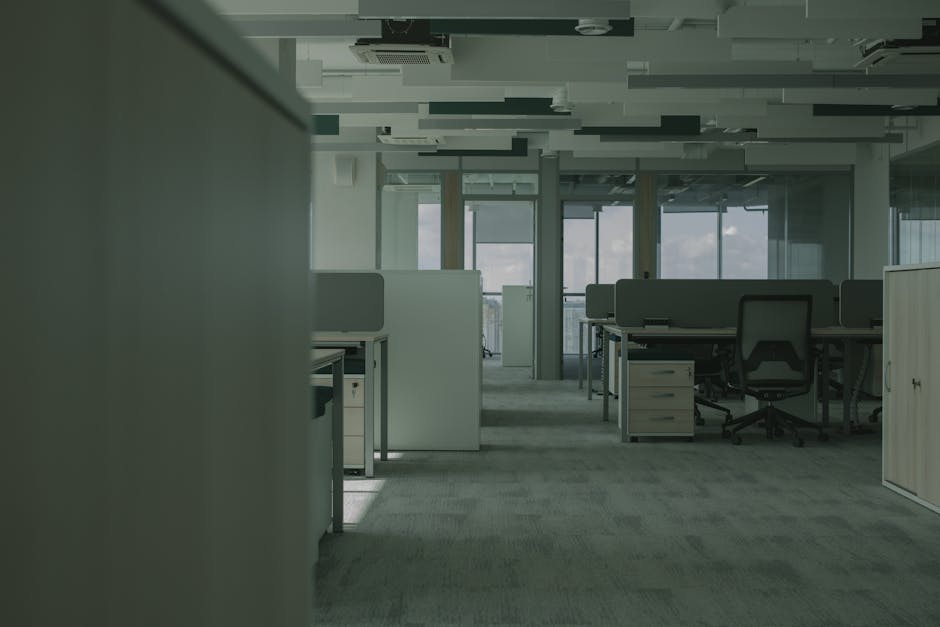
Office clearance in Bow calls for a careful approach to removing unwanted furniture, paperwork, equipment and general workplace contents without disrupting the rest of the building. Our service is designed for businesses that need a straightforward way to clear space while keeping the process orderly and considerate of the premises. Whether you are reducing surplus items, preparing rooms for reconfiguration or dealing with a complete move-out, the aim is to leave usable areas ready for their next stage.
We handle clearances for offices of different sizes and layouts, including rooms with desks, chairs, filing storage, cabinets, reception furniture and mixed office equipment. A good clearance is not just about lifting items away; it also involves sorting what stays, what goes for disposal and what can be separated for reuse or recycling. That practical structure helps businesses make better decisions about their assets, especially when the contents are varied or spread across several rooms.
To arrange the right level of support, request a quotation when you are ready to talk through the scope. If you have a few workspaces to empty or a larger office to clear, we can help you consider the contents, access and timing before any removal begins. Clear information at the start makes it easier to plan the work efficiently and avoid unnecessary disruption.
Office furniture and equipment removal
Office clearance work often begins with the largest and most awkward items. Desks, pedestal units, meeting tables, shelving, task chairs and storage cabinets all need different handling depending on their material, condition and how they are fixed or assembled. We can remove a range of commercial furniture from work areas, back offices and shared spaces, helping you create a cleaner layout or empty a property in preparation for handover. Items are dealt with methodically so that the room can be checked properly as the clearance progresses.
Alongside standard furniture, many workplaces also need unwanted office equipment moved out. That can include printers, monitors, small electronics, displays and other contents that no longer serve the business. Some items may be straightforward to remove, while others need a little more care because of cables, attachments or restricted access. If the premises contain mixed contents, a structured clearance keeps the different categories separate and reduces the risk of leaving overlooked items behind.
Tell us what remains on site, and we can talk through the likely scope before you decide how best to proceed. A clear list of rooms, floors or storage spaces is often enough to begin shaping a practical plan. If you are looking for a simple next step, see our pricing and quotes page for a useful starting point when preparing your enquiry.
Managing stockrooms, filing and mixed contents

Many office clearances involve more than desks and chairs. Filing cabinets, archive boxes, stationery storage, display materials and left-behind personal or administrative items can all accumulate over time. Clearing these areas carefully matters because the contents are often mixed, with documents, office supplies and reusable items stored together. A sensible clearance process separates what can be retained from what should be removed, which helps avoid accidental disposal of useful materials.
Where paperwork or archived materials are still present, the work needs a steady and orderly method. Sensitive documents may need to be isolated from general waste, and some businesses prefer to review files before anything is taken away. That does not change the basic aim of the clearance: rooms, cupboards and storage areas should be emptied in a controlled way so the office can move on without clutter. The more complex the filing system, the more important it is to approach the job one section at a time.
For larger or more varied sites, our broader business waste removal service can be a useful option when office contents form part of a wider commercial clear-out. If the work is limited to a single suite or a compact workspace, the same principles still apply: keep the process organised, remove items in a sensible order and leave the remaining areas clear. That is often the simplest route to a smooth clearance.
Preparing an office clearance in Bow
Good preparation makes a clearance easier to manage, especially in occupied buildings or premises with limited access. It helps to identify which rooms are included, whether any items need to stay in place and whether there are access restrictions such as shared corridors, lifts or controlled entry points. If you are able to mark out the areas to be cleared, that can save time and reduce confusion on the day. A little planning up front is usually enough to make the work more orderly.
It is also useful to think about what should happen to different types of contents. Some businesses want to keep certain equipment, some want to separate reusable items and others need everything cleared as part of a property handover. Clear instructions are valuable here, because office spaces can contain a mixture of office furniture, archive materials, fixtures and loose contents. By deciding what belongs to each category before the work begins, you reduce the chance of sorting delays later on.
If you are gathering details for a quotation, make a short room-by-room note and include any access issues that could affect removal. That may be all that is needed to provide a useful starting point. When the scope is more extensive, our office clearance service page gives a direct overview of this type of work and how it is handled from beginning to end.
Commercial strip-outs and workspace changeovers
Office clearances are often linked to wider changes in the workplace. A business may be moving, reducing floor space, replacing old furniture or preparing a property for a new tenant. In those situations, the clearance needs to support a practical handover rather than simply remove a few unwanted items. We can clear out surplus contents in a way that leaves the rooms ready for the next phase, whether that means reoccupation, refurbishment or a more detailed fit-out process.
Different parts of an office can require different levels of attention. Meeting rooms may hold a small number of large items, while open-plan areas can contain a dense mix of desks, screens and storage. Back-office spaces may be cluttered with old paperwork or broken furniture. A sensible service does not treat every room in exactly the same way; instead, it follows the layout and contents of the property so that the clearance is handled efficiently and with fewer interruptions to the business.
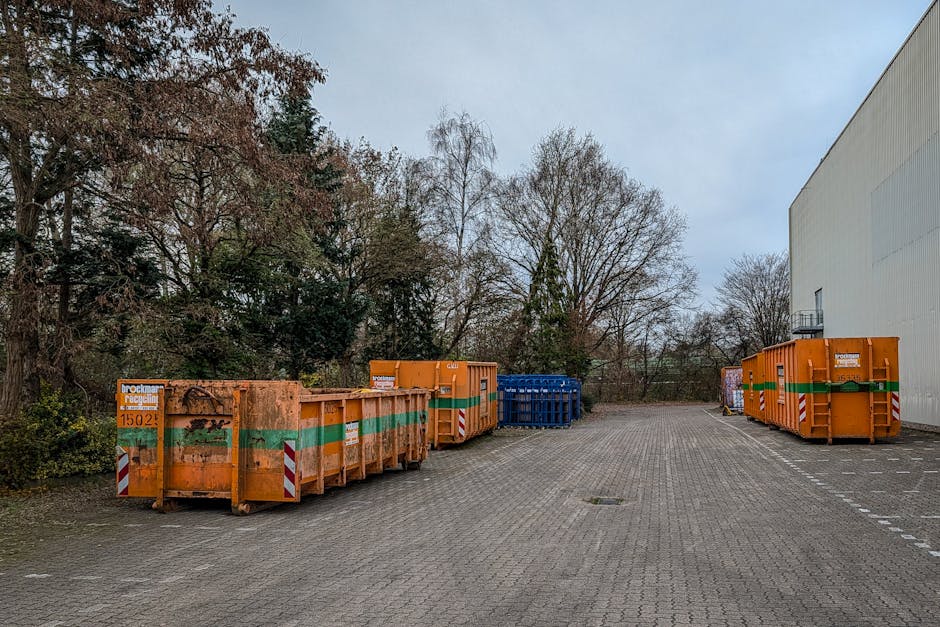
Where a site includes other waste beyond standard office contents, it can help to view our waste removal service alongside the office clearance options. That is especially relevant when a workplace has accumulated general materials as well as furniture and equipment. Ask for a quotation when you have the scope in mind, and you can choose the level of support that best fits the property and the timetable.
Furniture disposal and reusable items

Not every item removed from an office has the same destination. Some furniture is ready for disposal, while other pieces may still be suitable for reuse depending on condition and type. That distinction matters because offices often contain a mixture of sturdy desks, worn seating, storage units and occasional items with remaining life. Handling the clearance with that in mind helps avoid treating every object as though it were identical. It also makes the process more sensible when the business wants to reduce waste where possible.
Furniture disposal can involve heavier items that need careful movement through corridors, stairwells or shared entrances. It can also involve dismantling larger units so they can be removed safely and without damage to the surrounding area. Where office contents are bulky or awkward, planning the sequence of removal matters as much as the lifting itself. A tidy clearance is usually the result of steady sorting, sensible loading and attention to the layout of the site.
For customers who want a wider overview of what can be taken away, the furniture clearance page provides a relevant place to compare this part of the work with the full office service. When the furniture is the main concern, it is often helpful to separate it from smaller office contents before requesting the job, because that can make the quotation stage more precise and the clearance more straightforward.
What affects the scope of an office clearance
The scale of an office clearance depends on the quantity of contents, the type of items involved and the layout of the premises. A single room with a few surplus desks is very different from a multi-room suite with archives, reception furniture and storage areas. Access also matters: ground-floor rooms are generally simpler to empty than upper floors, narrow corridors or buildings with limited loading access. These practical factors shape the amount of work involved and the time needed to complete it.
Condition is another useful consideration. Some office items are easy to move as complete units, while others may be damaged, unstable or partly dismantled already. Mixed condition clearances need a little more care because the contents may not be uniform. If the office includes a variety of furniture, electronics and loose materials, it can be helpful to group the items by room or type before the job begins. That does not replace professional planning, but it does make the service easier to describe accurately.
Our home clearance and office services are both built around practical removal of unwanted contents, though the setting and item types differ. For a commercial premises, the main focus is usually on keeping the rooms usable and handling the clearance in a way that fits business requirements. Use the quotation stage to explain the site layout and the contents, and the resulting plan can be far more accurate.
About Bow
Bow is an East London district in the London Borough of Tower Hamlets, historically part of the ancient parish and later metropolitan borough landscape that developed alongside the growth of London’s eastern suburbs. Its name is closely associated with Bow Church and the curve of the old road network that gave the area its identity. The district sits between Mile End, Stratford and Poplar, and it has long been shaped by movement, trade and residential expansion rather than by a single historic core. The Regent’s Canal forms part of the wider local waterscape, while the River Lea lies to the east, reinforcing the area’s relationship with waterways, industry and transport. The district also connects to the legacy of the Bow Bells, a cultural reference that has travelled well beyond the neighbourhood itself and become part of London folklore. The area includes well-known green spaces such as Victoria Park nearby, as well as everyday streetscapes of terraces, estates and later twentieth-century redevelopment. Contemporary Bow combines older brick-built structures, post-war housing and modern mixed-use buildings, reflecting repeated change over time. Its position in inner east London has meant that it remains closely linked to the capital’s wider commercial and residential patterns, while still keeping a distinct local identity grounded in its historic parish, transport links and eastern urban character.
Sorting, recycling and responsible removal

An office clearance is often a chance to sort contents carefully rather than simply empty a room in one pass. Reusable furniture may be separated from general waste, and different material types can be handled in a more considered way. That is particularly useful when an office has accumulated items over a long period and the contents are no longer neatly grouped by department or function. A methodical approach supports cleaner results and helps keep the work organised from start to finish.
Recycling considerations are also part of many commercial clearances. Office furniture can contain wood, metal, plastics and mixed components, while smaller items may involve cables, fittings or electronic elements. Because of that mixture, it helps to think in terms of item categories rather than assuming every piece follows the same route. A sensible clearance respects those differences and gives the business a more practical way to deal with the contents that no longer need to remain on site.
Where sustainable handling is a priority, you can also review the recycling and sustainability page to see how that subject is presented across the site. If you are comparing options, keep the main questions simple: what needs removing, what can stay, and how much access the team will have on the day. That makes it easier to request a quotation that reflects the actual work.
Access, timing and practical site arrangements
Office clearances work best when the access arrangements are understood before the job starts. Shared entrances, reception desks, lift use, parking limitations and building rules can all affect how a clearance is carried out. If the office is inside a managed block or on a busy street, the timing of the work may need to be arranged around other users of the building. That kind of planning is not complicated, but it does help the clearance run more smoothly.
Timing can also matter when a business is preparing for a handover or refurbishment. Some offices need contents removed in phases, while others are better cleared in one visit once the rooms are ready. The important thing is to match the clearance to the property schedule. Careful timing can reduce disruption to staff and avoid last-minute changes. If there are several rooms, it can be useful to identify which ones must be finished first so the work has a clear sequence.
Our about us page gives a general overview of the business, while the service pages focus on the work itself. For anyone planning a move or a handover, the best next step is usually to request a quotation with a few notes about the property and the contents. That keeps the conversation focused on the clearance requirements rather than guesswork.
Office clearance for one room or a full property

Some customers need a single room cleared, perhaps after a desk move, a fit-out change or the closure of a small office. Others need a whole property emptied because the lease is ending or the layout is being reorganised. Our office clearance service can suit either type of project, provided the scope is set out clearly. The same careful approach still applies: identify the contents, decide what should be removed and handle the space in a way that leaves it ready for what comes next.
When an office contains mixed items, the service may include furniture, equipment, storage units, file materials and general contents collected over time. The work should be organised so each part of the premises is dealt with sensibly, rather than leaving awkward fragments behind. For many businesses, that means a clearance is best viewed as a practical task that supports operational change. It is less about dramatic transformation and more about getting the space back under control.
If you are ready to move forward, contact us to discuss the clearance and ask for a quotation. We can talk through the rooms, contents and access so you have a clearer idea of the work involved before you confirm anything. A concise enquiry is usually enough to begin.