Fines for illegal dumping in E3: Bow enforcement explained
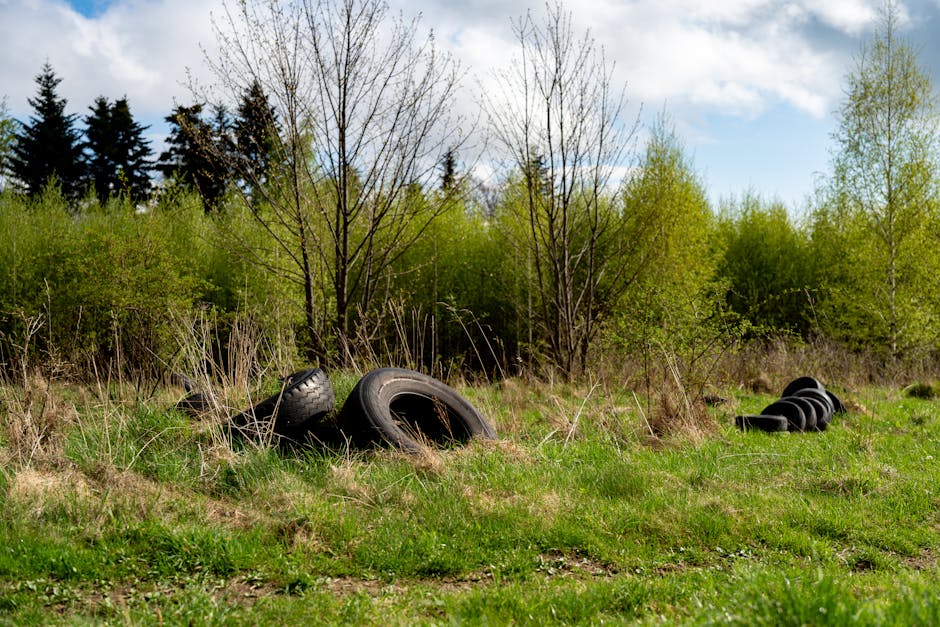
If you live, work, or manage property in Bow, the reality is simple: fly-tipping is not just an eyesore, it can quickly become a costly headache. Fines for illegal dumping in E3: Bow enforcement explained matters because enforcement is real, the evidence is often clear, and the responsibility can land on the person or business connected to the waste. That can feel harsh when you're already dealing with a mess, but it is exactly why understanding the process is so useful. In this guide, we break down what illegal dumping means, how fines are typically handled, what enforcement looks like in practice, and how to stay on the right side of the rules without overcomplicating it.
Truth be told, most problems start with a rushed decision: hiring the cheapest option, leaving waste beside a bin, or trusting someone who says they'll "sort it later." Then the bags sit there, the rain gets in, and the whole thing becomes more noticeable by the hour. Let's unpack it properly.
Why Fines for illegal dumping in E3: Bow enforcement explained Matters
Illegal dumping, also called fly-tipping, affects Bow in the same way it affects many busy London neighbourhoods: it clogs pavements, attracts more dumping, creates safety risks, and makes streets feel neglected. The fine itself is only part of the story. The bigger issue is that once waste appears in the wrong place, it can trigger inspections, witness reports, camera checks, or follow-up action against whoever is linked to it.
For householders, the most frustrating part is often this: you may never have intended to dump anything illegally, yet you can still face questions if waste can be traced back to you. For landlords, managing agents, and businesses, the stakes are even higher because repeat issues can damage reputation as well as cost money.
Bow enforcement is about deterrence as much as punishment. Councils and enforcement teams want to stop people from treating public land, alleyways, and roadside corners like a shortcut disposal point. That means visible rubbish can be investigated quickly, and the message is designed to be clear: if you leave waste where it should not be, you may be held responsible.
And yes, the details can be messy. Sometimes a bag contains identifiable paperwork. Sometimes a van registration is visible. Sometimes the waste is tied to a property renovation, a shop refit, or a household clear-out. That is why good disposal habits matter before a problem ever appears.
How Fines for illegal dumping in E3: Bow enforcement explained Works
At a practical level, enforcement usually follows a fairly plain sequence. Waste is found, someone reports it, investigators review the scene, and if there is enough evidence, a penalty may be issued. The exact process can vary depending on the authority involved and the circumstances, but the principle is consistent: if the waste is dumped unlawfully, enforcement can follow.
In Bow, the process often turns on questions like:
- Who is the waste linked to?
- Was it placed there intentionally, carelessly, or by a third party?
- Can the person responsible be identified from labels, paperwork, vehicle details, or witness accounts?
- Was the waste handed to a carrier who was not properly authorised or trustworthy?
If a fixed penalty notice is issued, it is usually meant to resolve the matter without a longer legal process, though more serious or repeated cases can lead to stronger action. The key point is that ignoring waste does not make it disappear. It only makes the trail more awkward later.
To be fair, many people do not realise that "I paid someone to take it away" is not always the end of the story. If the waste is fly-tipped and investigators can connect it back to you, you may still need to explain how and why it was handed over. That is why keeping a record of any disposal arrangement is sensible, even for small jobs.
For businesses and property managers, this is even more important. Waste from offices, shops, cafes, refurbishments, or tenant clear-outs should be handled carefully through proper collection channels. If you need a broader organised disposal route, services such as waste removal and business waste removal are often more suitable than ad hoc arrangements.
Key Benefits and Practical Advantages
Knowing how enforcement works gives you more than peace of mind. It helps you make cleaner decisions, reduce avoidable costs, and keep your property or business out of awkward situations. That sounds basic, but in the real world basic is what saves time.
- Fewer surprise costs: proper disposal is easier to plan than dealing with a penalty and a clearance emergency.
- Less risk of blame: if you can show a clear waste trail, you are in a stronger position if questions arise.
- Cleaner neighbourhoods: fewer dumped items means fewer pests, less smell, and a better street appearance.
- Better property management: landlords and agents avoid complaints from tenants and neighbours.
- Safer handling: bulky or sharp waste is easier to move when it is collected properly.
There is also a slightly underrated benefit: it reduces stress. People underestimate the mental weight of a pile of waste sitting outside, especially when it's raining and everyone walking past seems to notice it. A straightforward disposal plan removes that background noise.
For some readers, the practical answer may be to arrange a clearance rather than gamble on an unclear drop-off. If that sounds familiar, services like office clearance, house clearance, or builders waste clearance can be more controlled ways to manage bulky waste responsibly.
Who This Is For and When It Makes Sense
This topic matters to a wider group than you might think. It is not just for people who have already been fined. It is useful for anyone who wants to avoid ending up in that position in the first place.
Homeowners and tenants
If you are clearing a flat, moving house, or getting rid of old furniture, you need a safe disposal route. Small mistakes, like leaving a sofa near communal bins or handing waste to an unverified collector, can become bigger problems. If you're dealing with a move or tenancy change, pages such as flat clearance and home clearance may be relevant depending on the job.
Landlords and managing agents
Fly-tipping near shared entrances, service yards, or bin stores can create complaints quickly. A pattern of careless disposal can also complicate void periods, tenant handovers, and maintenance work. One missed pile of rubbish can suddenly become everyone's problem.
Businesses and shops
Retailers, offices, and hospitality businesses often generate mixed waste streams: packaging, broken furniture, shelving, refurbishment debris, and old stock. Handling this badly can lead to reputational damage, not just a fine. If your waste is regular or commercial in nature, proper collection is usually the cleaner option.
Builders and renovators
Construction waste is a classic source of misunderstanding. A builder may assume a contractor has removed it, or a homeowner may assume leftover materials can be left "just for a bit." In practice, fly-tipping enforcement does not care whether the job was small or large; it cares where the waste ended up.
Step-by-Step Guidance
If you want to avoid fines and the hassle that comes with them, a simple process works best. No fancy system required.
- Identify the waste correctly. Separate household, bulky, garden, builders', and commercial waste. Mixed piles are harder to manage and easier to mishandle.
- Check who is taking it. Use a clear, reputable disposal route. If you are using a third party, ask what happens to the waste after collection and keep a record of the job.
- Do not leave items on the street. Even if collection is "soon," the exposure window is enough for complaints or enforcement attention.
- Keep proof of arrangement. Save booking details, invoices, and any written messages. It is not glamorous, but it helps.
- Use the right service for the waste type. Furniture, garden waste, and office clearances each have their own practical requirements.
- Act quickly if waste is dumped on your property. Do not move it casually without thinking through safety and responsibility. Photograph it first if needed.
If you are dealing with larger household items, furniture clearance and furniture disposal can help keep things tidy without turning the pavement into a holding bay.
One small but useful habit: take a quick phone photo of the waste before it leaves your site. Not because everyone expects trouble, but because it gives you a simple timestamp and a record. Handy, that.
Expert Tips for Better Results
Here is where a little real-world thinking goes a long way. The cheapest option is not always the safest, and the fastest option is not always the neatest. The best result is usually the one that leaves no doubt about where the waste went.
- Choose removal methods that match the waste volume. A single mattress and a full office strip-out are different jobs.
- Bundle items sensibly. Loose waste is harder to track and easier to lose control of in transit.
- Avoid "temporary" street storage. Even short-term placement can attract complaints and make enforcement easier.
- Think about access. Narrow stairs, basement rooms, rear alleys, and shared courtyards can affect how safely waste is moved.
- Use a service with a clear process. A straightforward booking and collection flow is often worth more than a tiny saving.
In our experience, many problems in London start with good intentions and poor logistics. Someone is trying to be helpful, the skip is full, the van is delayed, the pile grows, and before long it's all a bit of a scene. Better to plan for the whole journey, not just the first ten minutes.
If you want a more structured approach for a property or workplace, it may help to review pricing and quotes before you schedule the work. Clear pricing can reduce the temptation to cut corners.
Common Mistakes to Avoid
A lot of avoidable fines come from the same handful of mistakes. None of them are complicated, which is exactly why they get overlooked.
- Leaving bags outside bins: if they are not in the right place, they can be treated as dumped waste.
- Using an unverified collector: if someone takes your rubbish and dumps it elsewhere, you may still have questions to answer.
- Mixing hazardous or awkward items with general waste: this can create safety and compliance issues.
- Assuming someone else will deal with it: shared responsibility is often where disputes start.
- Ignoring signs of repeat dumping: one incident can become a pattern if no one acts early.
Another common one: people think a tidy pile is somehow less serious than a messy one. Not really. Enforcement tends to look at location, ownership clues, and disposal method, not whether the stack was neatly arranged. Neat fly-tipping is still fly-tipping. Bit awkward, but there it is.
Tools, Resources and Recommendations
You do not need a huge toolkit to stay compliant, but a few simple habits make a real difference.
- Photo records: useful before and after collection, especially for shared properties or commercial sites.
- Job notes: record what was removed, when, and by whom.
- Clear labelled storage: separate items for reuse, recycling, and disposal so waste does not sit in limbo.
- Proper scheduling: do not book a collection and then leave waste exposed for days.
- Recycling-aware disposal: if items can be separated for reuse or recycling, do that first where practical.
If sustainability matters to your organisation or household, it is worth reviewing recycling and sustainability so disposal decisions are not just legal, but sensible too. A lot of waste can be handled more responsibly than people assume.
For extra reassurance on process and accountability, you may also want to look at insurance and safety and health and safety policy. They help set expectations, especially when the work involves stairs, heavy furniture, or awkward access.
Law, Compliance, Standards, or Best Practice
Because this topic touches fines and enforcement, it is sensible to keep the wording careful. Illegal dumping is a legal issue, and the consequences depend on the facts of the case, local enforcement practice, and the evidence available. The exact penalty can vary, and more serious cases can go beyond a fixed penalty. So while people often ask, "How much is the fine?", the more useful question is, "How do I avoid getting into that position at all?"
Best practice in the UK generally means:
- using a lawful and traceable waste carrier or disposal route;
- not leaving waste in public spaces, alleyways, or beside communal bins;
- keeping evidence of disposal arrangements;
- separating waste types where possible;
- acting quickly if dumped waste appears on your land.
For businesses, there is also a strong expectation that waste is handled consistently and with records kept where appropriate. That is just good housekeeping, really. It protects you if anyone asks awkward questions later.
When working across domestic and commercial jobs, a structured clearance service can support better compliance. For example, house clearance, loft clearance, and garage clearance can be more controlled than piecemeal disposal, especially when several rooms or storage areas are involved.
Options, Methods, or Comparison Table
Choosing how to deal with unwanted waste often comes down to speed, cost, risk, and convenience. Here is a simple comparison to help you think it through.
| Option | Best for | Pros | Potential risk |
|---|---|---|---|
| Leave it outside for collection later | Very short-term, controlled scenarios | Convenient if timing is exact | Can look like dumped waste if delayed or uncollected |
| Use an unverified third party | Almost never recommended | May seem cheap or quick | High risk of fly-tipping and liability problems |
| Arrange a proper clearance | Homes, offices, landlords, builders | More traceable and usually more controlled | Requires planning and a clear booking |
| Use a dedicated waste removal service | Mixed or bulky waste | Flexible and practical for one-off jobs | Still needs good scheduling and access planning |
For many people, the safest middle ground is straightforward: book the right service, keep records, and avoid leaving anything in a public or shared space longer than necessary. Simple. Effective. Not glamorous, but effective.
Case Study or Real-World Example
Imagine a small office near Bow Church has a refit over a weekend. Old desks, a broken chair, packaging, and some cardboard all need clearing out before Monday morning. The team is busy, the lift is awkward, and someone suggests leaving the items near the service entrance until "the van comes back."
That is exactly where problems start. By the next day, the pile is visible, a passer-by reports it, and the site now looks neglected. If the waste is linked to the office, the responsible party may need to explain why it was left exposed. If the removal was handled by an unclear contractor, the office may have even more work to do proving what happened.
A better approach would have been to schedule the clearance properly, remove the items in one go, and keep a record of what left the site. If the job involved furniture and mixed office contents, using office clearance with a clear collection time would have reduced risk and kept the entrance tidy. That kind of clean exit matters more than people think.
And that's the whole point, really. Most enforcement cases are not dramatic movies. They are ordinary, practical mistakes with very ordinary consequences.
Practical Checklist
Use this quick checklist before you move, store, or dispose of waste in Bow.
- Have I identified the type of waste correctly?
- Am I leaving anything in a public or shared area?
- Do I know who is collecting it and when?
- Have I kept proof of the disposal arrangement?
- Is the waste likely to be bulky, hazardous, or difficult to move safely?
- Would a dedicated clearance service be safer than ad hoc disposal?
- Have I separated reusable, recyclable, and general waste where possible?
- Will the waste remain visible long enough to attract complaints?
- Do I need a service that handles home, furniture, garden, or builders' waste specifically?
- Have I reviewed the terms, safety, and payment details before booking?
If you can tick most of those off, you are already in a much better position than the average rushed disposal job. Small effort now, fewer headaches later.
Get a free quote today and see how much you can save.
Conclusion
Fines for illegal dumping in E3: Bow enforcement explained is ultimately about one thing: taking waste seriously before it becomes a legal, financial, or reputational problem. Bow is a busy part of London, and that means bad disposal choices stand out quickly. Once rubbish is left in the wrong place, the consequences can move faster than people expect.
The safest approach is usually the least dramatic one: plan ahead, keep records, use the correct service, and avoid putting waste anywhere that invites complaints. If you need support with bulky items, mixed loads, or property clear-outs, a structured service can make all the difference. It is a bit of adulting, really - but worth it.
And if you are already dealing with a pile of unwanted items, do not panic. The best time to fix disposal problems is now, while they are still manageable.
Frequently Asked Questions
What counts as illegal dumping in Bow?
Illegal dumping usually means leaving waste in a place it should not be, such as a street, alleyway, verge, communal bin area, or private land without permission. It can include household rubbish, bulky items, builders' waste, and commercial waste.
Can I be fined if I paid someone to take my rubbish away?
Yes, potentially. If the waste is dumped illegally and can be linked back to you, you may still need to explain how it was handed over. Keeping records and using a proper disposal route helps reduce that risk.
How do enforcement officers usually identify who dumped the waste?
They may look for names, addresses, labels, receipts, vehicle details, witness reports, or other evidence within the waste itself or at the location where it was found.
Are fines the only penalty for fly-tipping?
No. While fixed penalties may be used in some cases, more serious or repeated incidents can lead to stronger enforcement action. The exact outcome depends on the evidence and circumstances.
What should I do if rubbish has been dumped on my property?
Photograph it first if you can do so safely, avoid handling anything hazardous, and arrange removal quickly. If the waste appears linked to a tenancy, building job, or previous occupier, keep any related documents together.
Is leaving waste beside a bin allowed if collection is due soon?
Not always. If the waste is in a public or communal area, it can still be treated as dumped waste if it is not collected promptly or if it creates an obvious nuisance.
What type of waste causes the most problems?
Bulky furniture, mixed household items, builders' rubble, and commercial clear-out waste often cause trouble because they are harder to move, easier to abandon, and more visible when left out.
How can businesses avoid fly-tipping issues?
Businesses should use a clear, traceable waste arrangement, keep records, and avoid leaving waste outside for long periods. Commercial waste is best handled through an organised service rather than ad hoc dumping or "temporary" storage.
Does the size of the waste pile matter?
Yes, but not in the way people hope. A small pile can still trigger enforcement if it is in the wrong place. Bigger piles may attract attention faster, but small-scale dumping is still a problem.
What is the safest way to get rid of bulky household items?
The safest route is usually a proper clearance or removal service that can collect items directly from your property and handle them responsibly. That avoids leaving items on the street or in shared spaces.
How do I choose a sensible waste disposal option?
Think about the type of waste, access, timing, and whether you need proof of collection. If the job is more than a simple bin-day clear-out, a dedicated clearance option is often the smarter choice.
Where can I find more information about booked clearances and site standards?
Useful starting points on this site include about us, terms and conditions, and the relevant service pages such as waste removal or recycling and sustainability.